
Why Porcelain Benchtops Chip and Crack More Often Than Expected
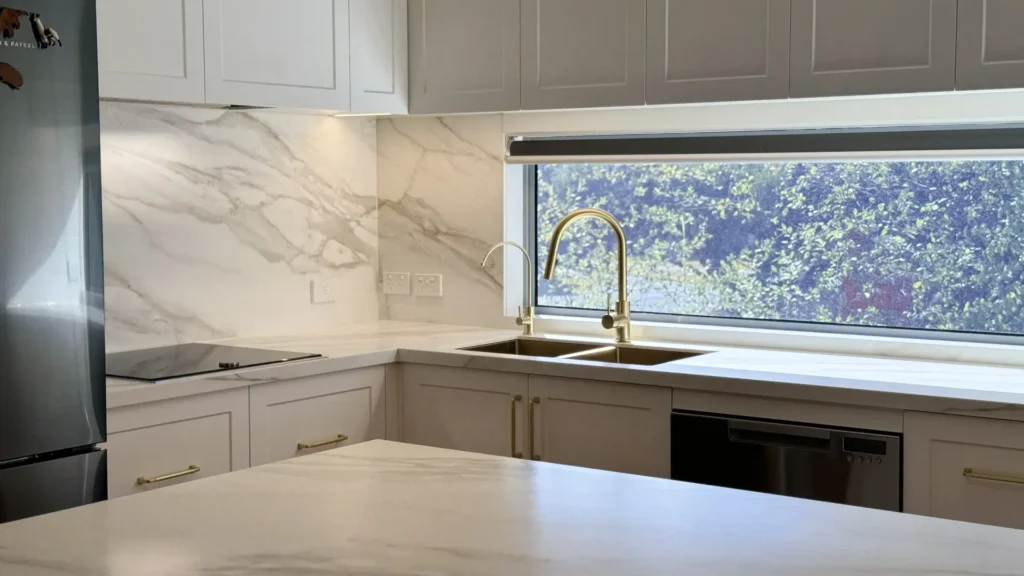
Porcelain has quickly become one of the most popular materials for modern kitchens. It is marketed as extremely durable, heat-resistant, and almost indestructible. In showrooms, porcelain surfaces are often demonstrated by scratching them with knives or exposing them to high heat without damage.
However, homeowners sometimes discover that the reality is more complicated, particularly when it comes to edges and structural areas. While the surface of a porcelain slab is exceptionally resistant to stains, heat, and scratches, the edges and cutouts can be more vulnerable than people expect.
When chips or cracks appear, many people assume the material itself is defective. In most cases, however, the real cause is installation quality, substrate preparation, or fabrication techniques. Understanding why this happens can help homeowners avoid long-term issues and ensure their porcelain slab benchtop performs exactly as intended.
Why Porcelain Benchtops Can Chip or Crack
Porcelain is incredibly hard, but that hardness also comes with a trade-off: brittleness. Unlike engineered stone materials that contain resin binders, porcelain is a dense ceramic product created under extremely high heat and pressure.
This process produces a rigid and durable surface, but it also means the material has very little flexibility. When force is concentrated in a small area, such as along an edge or corner, it can cause chipping or cracking. Edges are particularly vulnerable because they lack the structural support present in the centre of the slab. If a heavy object strikes the edge of a benchtop, the force can create a small chip that exposes the internal porcelain body.
Large-format porcelain slabs also tend to be thinner than traditional stone benchtops. While this thin profile contributes to their sleek, modern appearance, it also means that proper support underneath the slab is critical. Without correct structural support, even normal kitchen use can create stress points that eventually lead to cracks.
The Structural Weak Points: Edges and Cutouts
Most porcelain benchtop problems occur around edges, sink openings, or cooktop cutouts. These areas require fabrication work where the slab must be cut or shaped to fit the kitchen layout. Every cut introduces potential stress points in the material.
For example, undermount sinks require precise rectangular cutouts in the slab. If the corners of these cutouts are not properly rounded or reinforced, stress can concentrate at those corners and eventually cause cracking.
Similarly, edges around cooktops experience both heat exposure and structural stress. If the slab is too thin or insufficiently supported around these openings, cracks can develop over time. Even the outer edge of a porcelain slab benchtop can be vulnerable if the profile is too sharp. Sharp edges concentrate impact forces, which increases the likelihood of chipping if cookware or utensils hit the edge. This is why many fabricators recommend slight bevels or chamfers on porcelain edges rather than perfectly square profiles.
Hidden Causes: Installation Problems
One of the most overlooked causes of porcelain benchtop cracking is improper installation. Unlike thicker stone materials, porcelain slabs require a perfectly level and fully supported substrate. If the base beneath the slab is uneven or contains voids, the slab can flex slightly when weight is applied.
Over time, this flexing can lead to micro-fractures that eventually become visible cracks. Another issue involves adhesive coverage. When installers apply adhesive unevenly, small air pockets can remain beneath the slab. These pockets act as weak points where pressure concentrates.
Under everyday kitchen use, such as leaning on the benchtop or placing heavy appliances, these weak points can cause structural failure. Improper cutting techniques can also introduce invisible micro-fractures during fabrication. If incorrect tools or excessive pressure are used while cutting the slab, small cracks can form that later spread during installation or use. These problems are rarely visible immediately after installation, which is why some cracks appear months later.
The Role of Installation Quality
Many homeowners focus heavily on selecting the perfect colour or pattern for their benchtop, but the installation process is just as important as the material itself. A porcelain slab benchtop installed by experienced fabricators will perform very differently from one installed without specialist expertise.
Porcelain slabs are significantly larger and thinner than many traditional benchtop materials. Handling them requires specialised equipment, including suction lifters and support frames. Cutting also requires specialised diamond blades and water-cooled tools to prevent overheating and micro-fracturing.
Because of these technical requirements, porcelain installation is not simply another stone fabrication job. It requires installers who understand the specific structural limitations of porcelain. When these techniques are followed properly, porcelain benchtops can perform exceptionally well for many years.
What Happens When Chips or Cracks Are Ignored
Small chips along the edge of a porcelain benchtop may seem cosmetic at first, but they can sometimes worsen over time. A chipped edge creates a weak point where additional impacts can cause further damage. Each new impact can expand the chip or create additional cracks extending into the slab.
Similarly, cracks caused by substrate movement can slowly grow if the underlying issue is not corrected. One of the challenges with porcelain is that repairs are not always invisible. Because the material is consistent throughout its thickness, chipped areas may reveal a different colour or texture beneath the surface pattern.
In severe cases, repairing a cracked section may require replacing the affected portion of the benchtop. This is why addressing small issues early and ensuring correct installation from the beginning is essential.
How Professionals Prevent Porcelain Damage
Professional fabricators and installers use several techniques to ensure a porcelain benchtop remains structurally sound. The first step is substrate preparation. The base beneath the benchtop must be completely level, rigid, and capable of supporting the slab evenly across its entire surface.
Any irregularities in the cabinetry or substrate must be corrected before installation begins.
Next comes careful fabrication. Sink openings and cooktop cutouts must be precisely cut with rounded corners to prevent stress concentration. Edges are typically finished with slight bevels or chamfers to reduce the risk of chipping.
Adhesive coverage is another critical factor. Full adhesive contact ensures that the slab is supported evenly and prevents pressure points from forming beneath the surface. Finally, professional installers carefully transport and position the slab using specialised equipment to prevent damage during installation. When these steps are followed correctly, the durability of a porcelain slab benchtop is dramatically improved.
Practical Advice During Installation
If you are installing a porcelain benchtop, there are several things worth checking during the process.
- First, confirm that the installer has experience working specifically with porcelain slabs. Fabricating porcelain requires different techniques compared with granite or engineered stone.
- Second, inspect the edge profile being used. Slightly eased or chamfered edges are typically more durable than perfectly sharp edges.
- Third, ensure the cabinetry and substrate are fully level before installation begins. Even small irregularities can create long-term structural stress.
- Fourth, examine sink and cooktop cutouts carefully. The corners should be smoothly rounded rather than sharp.
- Finally, after installation, check that the slab feels solid and stable with no movement or hollow sounds beneath the surface.
These checks can significantly reduce the likelihood of future issues.
Conclusion
Porcelain benchtops are often promoted as nearly indestructible surfaces, and in many ways, they are incredibly durable. Their resistance to heat, stains, and scratches makes them an excellent choice for modern kitchens.
However, the edges and structural areas of a porcelain slab benchtop tell a more nuanced story.
Because porcelain is extremely hard yet brittle, edges and cutouts can become vulnerable if the slab is poorly fabricated or incorrectly installed. Chips and cracks rarely occur because the material is inherently weak. Instead, they are usually the result of inadequate support, improper cutting techniques, or poor installation practices.
Ultimately, the performance of porcelain depends heavily on the quality of the fabrication and installation behind it. When installed correctly on a properly prepared substrate, a porcelain slab benchtop can provide exceptional durability and long-term performance. But when installation shortcuts are taken, even the most advanced material cannot compensate for poor workmanship.
FAQs
1. Are porcelain benchtops prone to chipping?
Porcelain is very hard but also brittle. Chips can occur if heavy objects strike vulnerable areas such as edges or corners.
2. Why do porcelain benchtops crack around sinks or cooktops?
Cutouts for sinks and cooktops create structural stress points. If these areas are not properly fabricated or supported, cracks can develop over time.
3. Can chipped porcelain benchtops be repaired?
Minor chips can sometimes be filled with specialised repair compounds, but repairs may still be visible depending on the colour and pattern of the slab.
4. Does installation quality affect porcelain benchtop durability?
Yes. Uneven substrates, improper adhesives, and poor fabrication can create stress points that lead to cracking.
5. How can I prevent chipping on a porcelain benchtop?
Choose experienced installers, use slightly bevelled edge profiles, and avoid heavy impacts near the edges of the surface.


