How Integrated Design Improves Functionality in Urban Homes

City residents are getting more inclined to find out areas that are more comfortable, efficient, and adaptable over time. Integrated design has come out as a solution to such expectations as it coordinates architecture, interior and common facilities into a single experience. The progress in areas like the Tengah Garden Residences and the Promenade Peak demonstrates the way in which intelligent planning may enhance everyday life without hurting the aesthetic quality. Instead of paying attention to visual appeal only, integrated design takes into account the movement, interaction, and rest of the residents in their space. This would make the homes practical and capable of sustaining contemporary urban living.
Learning to Plan Smartly to be Efficient Everyday
Among the most powerful strengths of the integrated design, the manner in which it enhances space efficiency can be mentioned. The layout effectively plans to decrease the amount of waste and offer several uses to the rooms. The living spaces in Tengah Garden Residences are modelled to feel open but functional, allowing easy movements in work-related and leisure and family activities. Storage, natural ventilation, and natural room placement are all used to make the room more comfortable. It is through this kind of planning that the residents can have the benefit of enjoying clean interiors that facilitate productivity and relaxations although it is in a small urban footprint.
Smooth Transition of the indoor and outdoor space
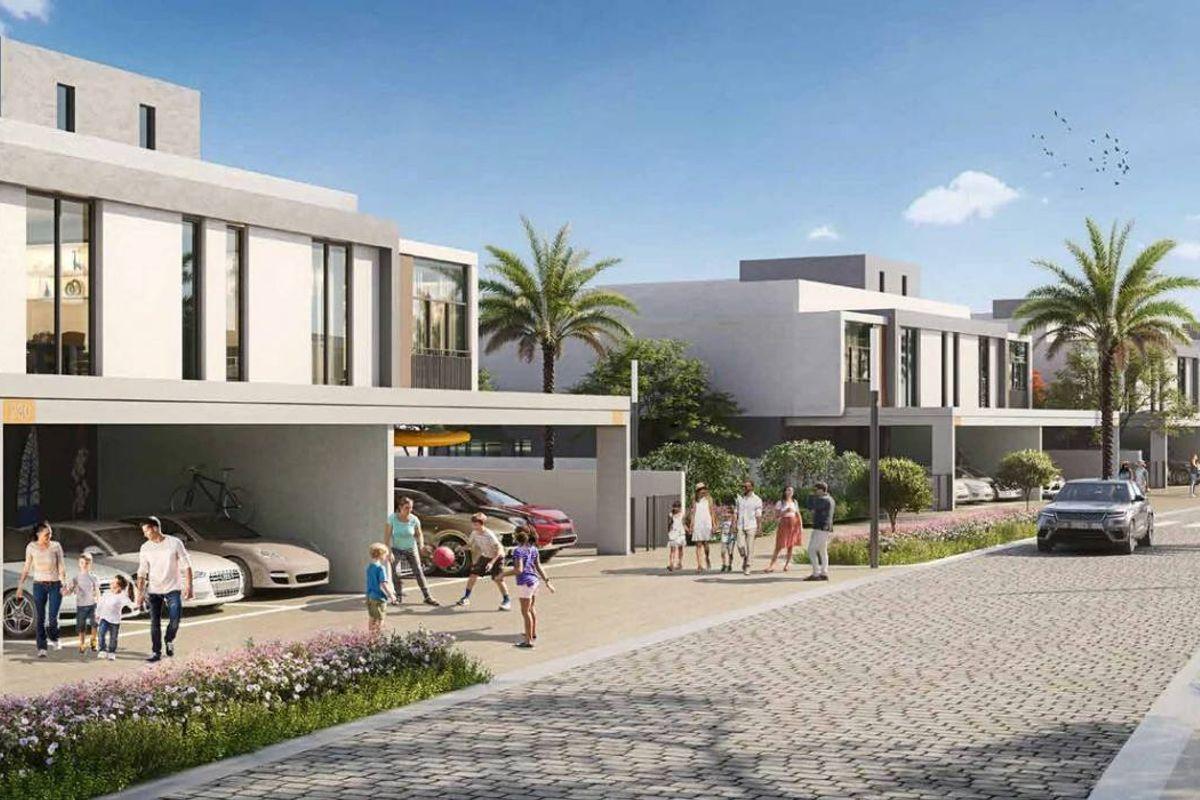
The theme of integrated design is also based on the close relation between the interior spaces and the surrounding environment. The greenery, communal courtyards and walkways should be accessible to improve well-being and social interaction. Design policies in Promenade Peak tend to emphasise aesthetic transparency and convenient access to outdoor areas, which provide the feeling of harmony within a crowded city environment. The inclusion will enable the residents to enjoy nature without the need to go out of the development, which will facilitate the adoption of healthy lifestyles and ensure privacy and security in the residential area.
Sustainability and Technology Coming Together
The homes in reference to the present-day urban living are highly based on technology and integrated design, which will help ensure that the digital systems enter daily life and do not appear out of place. Energy-saving appliances and sustainable materials, as well as smart lighting, are also included at the early design stages. Both Tengah Garden Residences and Promenade Peak show that sustainability can be achieved without contradicting convenience. The energy-saving features minimise the expenditures in the long run, whereas eco-friendly planning contributes to environmental accountability. This reflective integration is such that technology is not a burden that reduces living conditions and the aesthetic of the house.
Shared Living Community-Centred Design
In addition to the units, integrated design goes to common areas that enhance interactions. Fitness rooms, lounges, and multipurpose halls are well distributed to address the need to interact and at the same time, the privacy of individuals is maintained. This is reflected in Tengah Garden Residences, where the amenities provided are easily reachable but not obtrusive. These common spaces are meant to supplement individual living spaces, whereby a sense of belonging is encouraged without compromising comfort. This kind of planning is extremely necessary in cities where the community-based linkages improve the general living standards.
Flexibility to Alter Urban Lifestyles
The way of living in urban areas is constantly changing and integrated design promotes flexibility with the passage of time. Long-term value is provided to the homes that are able to adapt to evolving needs, e.g., remote work or extended families. The Promenade Peak illustrates the elasticity of layouts and modular nature to allow the residents to redesign their space to accommodate modifications in lifestyle. This flexibility minimises the necessity of significant remodelling and makes sure that houses can be used in various life stages, which makes integrated design an efficient investment for city residents.
Conclusion
The concept of an integrated design does not refer to short-term comfort only, but it also refers to the value which can be maintained in the long run. Innovations that focus on functionality, sustainability and community are likely to be up to date in competitive cities. With an effective layout, intelligent technology and human-centred planning, Tengah Garden Residences and Promenade Peak outline the advantages of this holistic strategy. Holistic design will eventually enhance the functionality of urban dwellings, making them able to satisfy the current needs of the population and provide them with long-term value to the residents.