
Demon Slayer’s Nichirin Blades: Popular Culture’s New Take on Japanese Swords
Few cultural artifacts carry as much visual and symbolic significance as the Japanese katana. Historically revered as both a weapon of war and an emblem of the samurai’s spiritual discipline, katanas have long represented craftsmanship and deep cultural meaning. Anime, a medium known for its creative spin on traditional values, has often embraced these iconic swords—but none quite as vividly as Demon Slayer. The series’ vibrant Nichirin Blades are not just tools for combat; they’re personal, dynamic, and steeped in tradition while breaking into fresh narrative ground.
What makes Nichirin Blades so compelling? This post unpacks how these fictional weapons blend traditional Japanese sword culture with modern storytelling, inspiring both fans and artists alike as they add vibrant flair to established cultural lore.
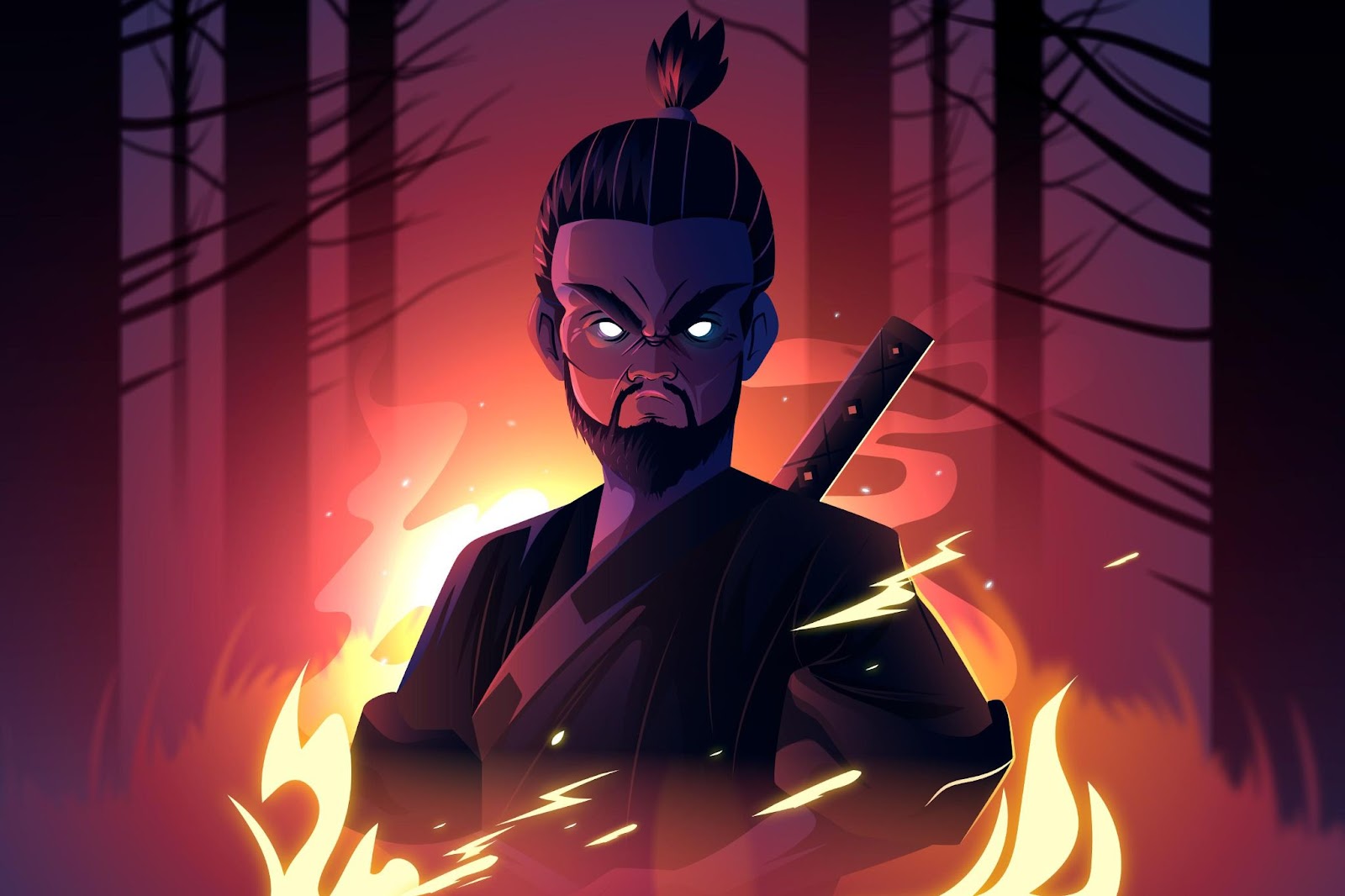
What Are Nichirin Blades?
At the heart of Demon Slayer’s world is a simple fact—ordinary weapons are useless against demons. Enter Nichirin Blades. Made from a special ore that absorbs sunlight, these mystical swords are forged specifically to eliminate demons. However, these aren’t just practical tools for survival; they are an extension of the wielder’s character, bearing unique attributes tied to their personality, strengths, and powers.
One of the most captivating elements of Nichirin Blades is their ability to change color when drawn by their rightful owner. Each color reflects the swordsman’s fighting style or combat specialty. For example:
- Tanjiro Kamado’s Black Blade symbolizes mystery and versatility but also hints at a historically ill-fated destiny for its users.
- Zenitsu Agatsuma’s Yellow Blade mirrors his lightning-fast abilities derived from Thunder Breathing techniques.
- Giyuu Tomioka’s Blue Blade is tied to fluidity—perfectly matching his mastery of Water Breathing.
Essentially, Nichirin Blades are more than weapons—they’re storytelling devices. They externalize the inner struggles and victories of each character, making these swords feel like living extensions of their wielders.
Where Nichirin Blades Meet Traditional Japanese Sword Culture
While Nichirin Blades leap off the screen with their fantastic colors and supernatural elements, their roots lie firmly in traditional Japanese swordsmithing. To fully appreciate their significance, it’s crucial to understand the cultural role that katanas have played in Japan’s history.
The Legacy of Katanas
- Symbolic Value: Katanas historically symbolized a samurai’s honor and identity. Owning a finely forged blade was a matter of pride and cultural prestige. Similarly, in Demon Slayer, each swordsman’s Nichirin Blade is their lifeline—a reflection of their dedication and efforts in mastering swordsmanship.
- Craftsmanship: Traditional katanas were meticulously crafted, a process that required immense skill and precision from swordsmiths. This dedication to artistry is echoed in how special ores and rituals play a crucial role in forging Nichirin Blades within the series.
A Fresh Perspective with Nichirin Blades
Demon Slayer adapts real-world elements of katana-making while introducing imaginative enhancements.
- Color Symbolism – Where historical katanas primarily relied on the gleam of polished steel, Nichirin Blades radiate distinct, symbolic hues, amplifying visual storytelling.
- Personalization – A sword reflecting its bearer’s unique identity isn’t far from reality either. Historical warriors often customized their katanas with engraved family crests or intricate tsuba (handguards) to signify lineage and honor.
By rethinking katanas as dynamic, color-changing entities with mystical properties, Nichirin Blades take what is sacred and layer it with creative possibilities fit for contemporary storytelling.
Connecting with Fans Through Nichirin Blades
What makes the Nichirin Blades truly special isn’t just their appearance or backstory—it’s how they resonate with audiences. Anime fans look for characters and concepts they can connect with, and Demon Slayer brilliantly taps into the idea of personal symbolism.
Personal Significance
Think about it. If you were a swordsman in this world, what color would your Nichirin Blade be? The series invites fans to question themselves and identify with elements of the characters they admire. It’s no surprise that countless fans flock to cosplay conventions or online personality quizzes to “discover” their blade color or create their own.
Merchandise and Beyond
The popularity of Nichirin Blades has also extended beyond the screen. Replica swords, collectibles, and themed gear allow fans to own a piece of this magic, tying their love for the show with tangible symbols of their fandom. Whether displayed as art pieces or wielded at cosplay events, these replicas provide a connection to Demon Slayer’s powerful narrative and its cultural influences.
Interactive Storytelling
From limited-edition sword-themed merch to fan-fiction exploring “what if” scenarios, Demon Slayer actively empowers fans to become part of its universe. The symbiotic relationship between these fictional swords, their bearers, and the audience creates an immersive experience that extends the series’ storytelling far beyond the anime itself.
Why Nichirin Blades are a Cultural Hybrid Like No Other
At its core, the brilliance of Nichirin Blades lies in their dual nature—they honor the austere traditions of Japan while boldly challenging them with modern creativity. For centuries, katanas have held an almost sacred place in Japanese culture; Demon Slayer doesn’t undermine this but instead adapts it to appeal to a global audience.
Traditionalists may see Nichirin Blades as playful or fantastical, yet their intricate design and cultural significance remain deeply respectful of their artistic lineage. By blending history with hypermodern, dramatic visuals, Demon Slayer proves that respect for tradition and innovation can coexist beautifully.
At the same time, Nichirin Blades expand the narrative possibilities of the Japanese katana beyond historical constraints. They lend themselves to vibrant visual storytelling that feels personal, fresh, and relevant to a younger demographic. This reimagination immortalizes the katana as a timeless symbol and integrates it into a medium that continues to shape popular culture worldwide.


